Flat Clearance Elephant and Castle — Recycling & Sustainability
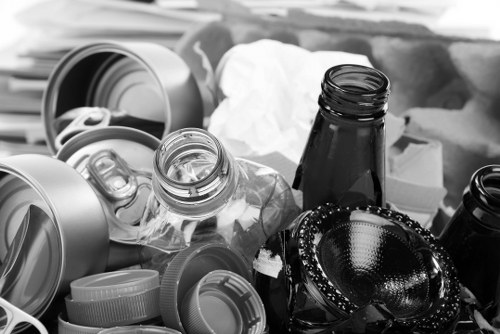
At Flat Clearance Elephant and Castle we place the environment at the heart of every clearance. Our Elephant and Castle flat clearance teams are trained to treat each removal as an opportunity to build a more eco-friendly waste disposal area across the borough. We work to keep bulky waste out of landfill, maximise reuse, and divert materials to local recycling circuits in line with Southwark and neighbouring boroughs' approaches to waste separation.Every clearance is assessed for reuse potential, hazardous material handling, and where possible we separate streams on-site. We embrace the local council's scheme of separate food waste, glass, paper and mixed dry recycling — and adapt our collections to complement the council approach. Our process is designed for ease: clear sorting on-site, transportation to authorised transfer stations, and onward processing with minimal carbon impact.
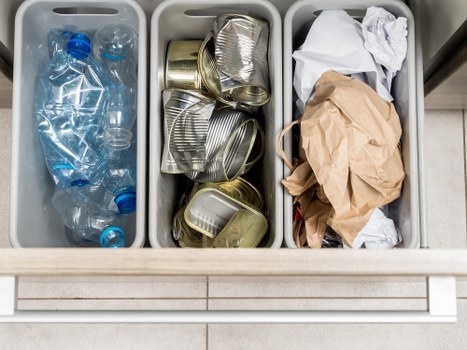 We commit to transparency and measurable targets. Our immediate recycling percentage target for materials recovered from flat clearances is 70% by 2030, focusing on achieving a high diversion rate from landfill and incineration. This target is part of a wider commitment to create a recognised sustainable rubbish area practice in Elephant and Castle, with monthly audits and public reporting of diversion metrics, reuse rates and low-carbon fleet utilisation.
Partnerships that turn waste into value
We partner with local charities and social enterprises to ensure that reusable items find a second life. Our Elephant and Castle flat clearance projects regularly collaborate with charities including community reuse centres and national partners such as British Heart Foundation and other local community groups. These partnerships enable household items, furniture and appliances to be refurbished or resold in charity shops rather than being discarded.Where items cannot be reused whole, we send recoverable materials to accredited local transfer stations. These include Southwark transfer facilities and nearby borough depots that accept separated streams for onward processing. By directing materials to the proper facilities we maintain the integrity of local recycling networks and support the council’s sustainable rubbish area goals. This reduces contamination, increases recycling yields and helps us meet our recycling targets.
Our supply chain map identifies transfer stations and materials recovery facilities within a short distance of Elephant and Castle. We prioritise facilities with strong environmental credentials and those that report high material recovery rates. Working locally shortens transport distances and lowers emissions, while keeping clearance debris within regulated circuits.
Low-carbon vans and greener transport
To make our flat clearance in Elephant and Castle genuinely low impact we operate a growing fleet of low-carbon vans and small electric vehicles. Our regular fleet includes electric vans for short urban runs, hybrid vehicles for longer transfers, and cargo e-bikes for tight central London deliveries and collections. These measures convert each clearance into part of a greener urban logistics network.Using electric vehicles reduces local air pollution and contributes to a more sustainable rubbish area in the borough. We schedule collections to minimise empty runs, use route-optimisation software, and encourage consolidated collections for neighbouring properties. Lower mileage and smarter logistics equal fewer emissions per tonne of waste handled.
We also invest in staff training on eco-driving, safe handling of recyclables, and recognising salvageable items. This ensures that our Elephant and Castle flat clearance teams are effective ambassadors for low-carbon, resource-efficient clearance practices in the area.
 Creating an eco-friendly waste disposal area: practical steps
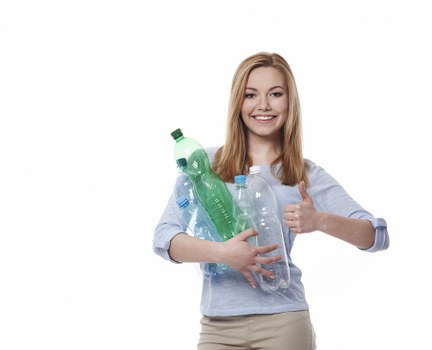
Our approach includes clear on-site sorting protocols, labelled containers for different materials, and immediate segregation of hazardous items. We follow the local boroughs' guidance on separation: glass and cans, mixed paper and card, food waste where available, and bulk metal and wood separated for recycling. These simple steps dramatically increase the quality of the material sent on to recycling facilities.
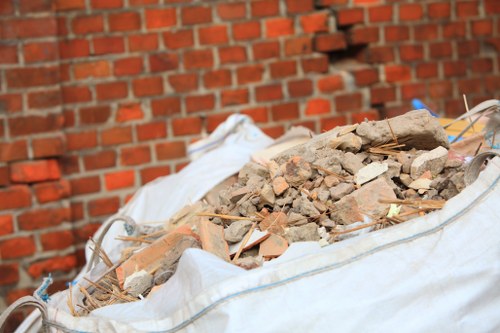 We publish a short list of typical recycling activities performed during a removal:
- Furniture triage and reuse allocation for charities
- Electronics and small appliances directed to WEEE routes
- Metal, wood and hard plastics sorted and sent to recovery centres
- Cardboard, paper and glass separated for council recycling streams
By integrating these actions we support a local culture of sustainable rubbish management and responsible flat clearance in Elephant and Castle. Our recycling percentage target, partnerships with charities, use of local transfer stations and deployment of low-carbon vans are practical contributions to a cleaner, greener urban environment.
We aim to set a standard for clearing flats sustainably: maximising reuse, reducing emissions, and strengthening the supply of materials to the circular economy. Every clearance becomes part of a visible eco-friendly waste disposal area strategy that benefits residents, local charities and the wider borough.
Flat Clearance Elephant and Castle is committed to continuous improvement: updating targets as technology and local infrastructure evolve, and deepening partnerships with waste processors and community organisations. Together, these initiatives help deliver a measurable reduction in landfill, a rise in recycling rates, and a healthier urban environment for everyone.