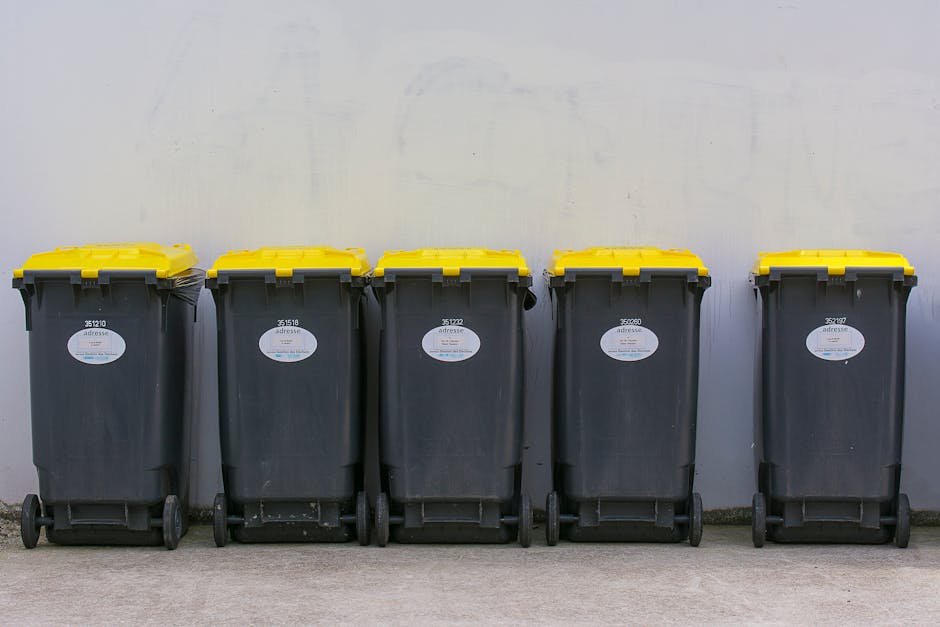
Office rubbish clearance near Elephant and Castle station SE1
If you are trying to clear an office near Elephant and Castle station SE1, chances are you need the space back quickly, without turning the place into a building site. Desks pile up. Old chairs get shoved in corners. Boxes of paper, broken monitors, and forgotten filing cabinets somehow multiply overnight. Office rubbish clearance near Elephant and Castle station SE1 is really about getting all of that moved out safely, neatly, and with as little disruption as possible.
This guide breaks down what office clearance involves, how the process usually works, what to watch out for, and how to make a sensible decision if you are comparing options. It also covers practical details that matter in busy central London offices: access, timing, waste separation, confidential materials, and a few compliance points that are easy to miss when everyone is in a rush.
Table of Contents
- Why Office rubbish clearance near Elephant and Castle station SE1 Matters
- How Office rubbish clearance near Elephant and Castle station SE1 Works
- Key Benefits and Practical Advantages
- Who This Is For and When It Makes Sense
- Step-by-Step Guidance
- Expert Tips for Better Results
- Common Mistakes to Avoid
- Tools, Resources and Recommendations
- Law, Compliance, Standards, or Best Practice
- Options, Methods, or Comparison Table
- Case Study or Real-World Example
- Practical Checklist
- Conclusion
- Frequently Asked Questions
Why Office rubbish clearance near Elephant and Castle station SE1 Matters
Office space is expensive, especially around Elephant and Castle where layout, access, and timing can all be a bit tighter than people expect. A cluttered office does not just look untidy. It slows down teams, creates trip hazards, and makes it harder to reorganise, refurbish, or hand a space back at the end of a lease.
There is also the simple reality of what office waste often contains. It is rarely just "rubbish". You might have broken chairs, IT equipment, packaging, old stationery stock, confidential paper, appliance waste, and mixed junk that cannot just be left in a hallway for someone else to sort out. In a shared building, that can become awkward very quickly.
To be fair, many teams only think about clearance when a deadline lands on them. A move date, a fit-out, a landlord inspection, or a sudden need to reconfigure a workspace can turn a small tidy-up into a much bigger job. That is where a structured office clearance service becomes useful: it turns chaos into a process.
Expert summary: The best office rubbish clearance is not simply about removing items. It is about planning the move-out, protecting staff and building access, separating waste properly, and leaving the premises ready for the next step.
For businesses that also need regular waste handling, it can help to look at broader business waste removal support rather than treating each clearance as a one-off panic job.
How Office rubbish clearance near Elephant and Castle station SE1 Works
In plain English, office rubbish clearance usually follows a simple pattern: assess, quote, remove, sort, and dispose of items responsibly. The details depend on the building, the amount of waste, and whether anything needs special handling.
Most clearances begin with a site visit or a detailed description of what needs removing. That might include the number of floors, whether there is lift access, whether parking is available nearby, and whether items are bulky or awkward. In central London, those little details matter a lot. A building with narrow stairs and no lift can change the whole job.
Once the scope is clear, the team will typically plan the collection around your working hours and building rules. Some offices want an early morning slot before staff arrive. Others need an evening removal after the last meeting has finished. And yes, sometimes the best time is when everyone has gone home and the kettle is finally silent.
During removal, waste is usually separated into appropriate streams where possible. Reusable furniture may be kept apart from general waste. Paper and cardboard can often be segregated. Electrical items need extra care because IT and appliance waste should not be treated like ordinary rubbish.
If your clearance includes old desks, reception furniture, or worn-out seating, it may overlap with office clearance and wider furniture clearance services. That is fairly normal. One office rarely throws out just one category of item.
After removal, the waste should be sent for reuse, recycling, or disposal depending on condition and material type. If something is confidential, damaged, or contaminated, it may need a more controlled process. For paper-heavy teams, it is worth considering confidential shredding as part of the job rather than treating sensitive documents as ordinary waste.
Key Benefits and Practical Advantages
The obvious benefit is getting your space back. But there is more to it than that. A proper office clearance helps a business move faster, work safely, and avoid the hidden mess that tends to follow a rushed office clear-out.
- Better use of space: Clearing old items makes it easier to reconfigure desks, meeting areas, storage, or hot-desking layouts.
- Less disruption: A planned clearance can happen outside working hours or in stages, so your team is not tripping over boxes all day.
- Safer environment: Removing clutter reduces blocked walkways, unstable piles, and lifting risks.
- More responsible disposal: Mixed office waste can be sorted and routed to recycling where appropriate.
- Cleaner handover: If you are ending a lease or preparing for a refurbishment, a cleared office makes the next phase smoother.
There is also a morale benefit people forget. A crowded office quietly drains energy. Once the spare chairs, broken cabinets, and old boxes are gone, the room feels calmer. You can hear yourself think. That sounds small, but it is not.
For some businesses, the clearance also becomes the right moment to review whether any items can be reused elsewhere in the organisation. That is where a broader look at recycling and sustainability can add real value instead of just ticking a box.
Who This Is For and When It Makes Sense
Office rubbish clearance near Elephant and Castle station SE1 is useful for a wide mix of people. It is not just for large corporate offices with glass walls and reception counters. Smaller teams need it too, and often with less notice.
- Start-ups: Growing teams often outgrow old furniture faster than expected.
- Small offices: If storage has become a dumping ground, a one-off clearance can reset the space.
- Landlords and managing agents: Vacated office units often need clearing between occupiers.
- Facilities teams: Useful when a room, floor, or entire site is being refurbished.
- Professional firms: Good for replacing filing cabinets, archive storage, or old equipment.
- Retail back offices: Stock rooms and office corners can collect mixed waste fast.
It also makes sense after a move, a merger, a downsizing decision, or a workstation refresh. If you have a jumble of old chairs, duplicate printers, and broken office bits that nobody wants to claim, that is usually your sign. No drama. Just time to clear it.
In some cases, the need goes beyond offices. A business might be clearing an office, a staff room, and an old storage area in one go. That is where services like waste removal and even builders waste clearance can become relevant if refurbishment debris is mixed in.
Step-by-Step Guidance
If you want the process to go smoothly, do not start by lifting anything. Start by deciding what stays, what goes, and what needs special treatment. The best clearances are organised before the first item moves.
- Walk the space carefully. Look in meeting rooms, under desks, in cupboards, and in storage corners. That forgotten pile in the back room is often the biggest one.
- Separate item types. Keep furniture, paper, IT items, general rubbish, and any questionable materials apart.
- Flag confidential or sensitive waste. Documents, hard drives, and branded materials may need secure handling.
- Check access. Note lifts, loading restrictions, building management rules, and parking limitations near Elephant and Castle station.
- Book the right time. Morning, evening, or weekend clearances can make a huge difference in busy premises.
- Confirm what is included. Make sure the team knows whether dismantling, carrying from upper floors, or sorting is expected.
- After clearance, review the room. Check for overlooked items, cable remnants, or small waste pieces before signing off.
A small but useful tip: take photos before the job begins. It helps everyone agree what is being removed and what is staying. Surprisingly handy when two desks look almost identical and someone insists theirs was "the one with the slightly wobbly leg".
If the office contains mixed household-style items, there may also be overlap with home clearance or flat clearance, especially in converted buildings with live-work use.
Expert Tips for Better Results
Over time, a few patterns become obvious. The easiest office clearances are the ones where the business makes a few decisions early and sticks to them.
- Book before the deadline gets tight. Last-minute jobs are possible, but they are always more stressful.
- Label items clearly. "Keep", "remove", and "review later" is often enough to stop confusion.
- Keep clear walkways. It sounds obvious, but even a narrow corridor can become messy fast during a clearance.
- Use one point of contact. Too many voices can slow things down and create mixed instructions.
- Ask about material handling. Some items may need specialist care, particularly electricals or heavy furniture.
- Think about the next use of the space. Clearing is easier when you know whether the room is becoming storage, meeting space, or a new desk area.
One more thing: do not assume every item can just be hauled away in a single sweep. Office spaces can contain awkward mixed waste. Old monitors, fridges, chairs, and piles of paper do not all follow the same disposal route, and trying to treat them as one thing can create avoidable problems.
If appliances are involved, look at fridge and appliance removal. It is a small detail, but the kind that matters when a tiny office kitchen suddenly adds a bulky surprise.
Common Mistakes to Avoid
Most clearance problems come from rushing. That is the honest truth. People wait until the last day, then discover that the lift is booked, the storage room is blocked, and nobody knows who approved the old equipment sitting by the window.
- Mixing confidential paper with general waste. This creates avoidable risk.
- Leaving access checks too late. In central London, access planning can save a job from becoming a headache.
- Forgetting about bulky items. Large desks and filing cabinets are harder to move than they look.
- Not confirming what happens to electronic waste. IT items need proper handling, not guesswork.
- Assuming clear means empty. A room that looks empty can still have cables, fixings, or small waste left behind.
- Trying to do everything in one frantic burst. Sometimes two shorter phases work better than one exhausting day.
And yes, someone will always discover the one drawer full of charging cables nobody has needed since about 2017. It happens.
Tools, Resources and Recommendations
You do not need fancy equipment to plan an office clearance, but a few practical tools make life much easier. A basic spreadsheet, a floor plan, and some sticky labels can save a lot of back-and-forth.
- Room-by-room checklist: Useful for identifying hidden storage, archive corners, and old stock.
- Item inventory: Helps distinguish reusable furniture from waste.
- Photo log: Handy for landlord sign-off, insurance records, or internal approvals.
- Access notes: Include lift dimensions, loading bay timing, and contact details for building management.
- Waste segregation bins or boxes: Helpful for paper, cardboard, and items set aside for secure handling.
If your office clearance is part of a bigger business review, it can help to look at pricing and quotes early in the process so you are not guessing how the job will be structured. And if trust, policy, or company background matters to your procurement team, about us can be a sensible place to understand the company behind the service.
For waste handling standards and site care, it is also worth reviewing health and safety policy and insurance and safety information if you want reassurance before booking. Not exciting reading, granted, but useful.
Law, Compliance, Standards, or Best Practice
Office rubbish clearance is not only a logistical job. In the UK, it also sits within ordinary business responsibilities around safety, waste handling, and duty of care. The exact obligations depend on the waste type and the premises, so it is sensible to stay careful rather than make assumptions.
For example, confidential paper should be handled as confidential material, not just bundled into mixed waste because it is quicker. Electrical waste should be handled separately where appropriate. Hazardous materials require extra caution and should not be mixed with general office rubbish. If you are not sure what counts as hazardous, err on the cautious side and ask before collection day.
Building managers may also have their own rules about lift protection, loading times, noise, and waste transfer from office floors. In a place like SE1, those building rules can matter just as much as the waste itself. Ignore them and the whole thing can stall in the lobby, which is nobody's idea of a productive afternoon.
Best practice is simple:
- identify waste types early
- separate confidential items from general rubbish
- plan safe access and lifting routes
- use proper handling for electrical or specialist waste
- keep records of what was removed if your business needs them
If a clearance includes unusual items or materials, a specialist route may be more appropriate. For that kind of situation, hazardous waste disposal is the safer reference point than trying to improvise.
Options, Methods, or Comparison Table
There are a few ways to tackle office rubbish clearance. The right one depends on how much waste you have, how quickly it needs to go, and whether you want staff to handle any of it themselves.
| Method | Best for | Pros | Things to watch |
|---|---|---|---|
| Self-clearance | Very small amounts of waste | Low upfront cost, simple for tiny jobs | Staff time, lifting risk, disposal uncertainty |
| Skip hire | Longer projects or ongoing clear-outs | Good for bulky mixed waste, flexible loading | Space needed, permits, manual loading, sorting limits |
| Man-and-van clearance | Quick office clearances with mixed items | Fast removal, less disruption, often more flexible | Needs clear instructions on what stays and goes |
| Specialist office clearance | Office moves, refurbishments, lease handbacks | More organised, better for furniture and sensitive waste | Scope needs to be agreed clearly at the start |
If you want to understand what fits in a skip before deciding, it helps to review what can go in a skip. That can make the comparison a lot clearer, especially for mixed office and fit-out waste.
For bulky seating or worn-out office sofas in staff areas, you may also need mattress and sofa disposal style handling where items are awkward or oversized. Not every office has a sofa, but enough do that it is worth mentioning.
Case Study or Real-World Example
A fairly typical scenario near Elephant and Castle goes like this. A small professional firm decides to downsize from a two-room office to a more compact layout. Over the years, the storage cupboard has filled with duplicate chairs, old printers, archived folders, spare monitors, and a broken filing cabinet that somehow never made it out of the building.
At first, the team thinks it will be a quick tidy-up. Then they start sorting, and suddenly every drawer has another batch of cables, chargers, old stationery, or paperwork no one wants to throw away without checking. Very normal, by the way. It never starts as a giant job. It becomes one.
The cleaner way to handle it is simple:
- list the items to be removed
- separate anything confidential
- mark reusable desks and chairs
- identify the large items that need two people or dismantling
- book removal outside peak office hours
Once the clutter is gone, the office feels larger immediately. Staff can move between desks without sidestepping boxes. The storage room becomes usable again. And, just as importantly, the team is not still thinking about rubbish two weeks later. That's the bit people underestimate.
Practical Checklist
Use this before your collection date. It keeps things calm, and calm is underrated in office moves.
- Confirm what needs to be removed and what must stay
- Separate general waste, furniture, paper, and electrical items
- Set aside confidential documents for secure handling
- Check lift access, stairs, parking, and building restrictions
- Tell staff when the clearance will happen
- Remove personal items from desks and cupboards
- Label anything reusable or for donation internally
- Make sure bulky items can fit through doorways and corridors
- Photograph the space before and after
- Do a final sweep for cables, keys, badges, and loose paperwork
If your clearance is part of a broader business move or refurbishment, it may also be worth reviewing business waste removal and recycling and sustainability again before the final booking. Small changes in planning can make the whole process feel much lighter.
Get a free quote today and see how much you can save.
Conclusion
Office rubbish clearance near Elephant and Castle station SE1 is at its best when it is treated as a proper project, not a last-minute scramble. Clear the right items, protect the confidential stuff, plan access carefully, and match the method to the job. Do that, and the whole process becomes much easier than people expect.
Whether you are emptying a storage room, refreshing a workspace, or preparing for a handover, a thoughtful clearance saves time, reduces stress, and leaves the office ready for whatever comes next. And frankly, that first clean corner after the clutter is gone can feel like a small victory. A good one.
When the room is finally clear and the echo changes a little, you will know it was worth doing properly.
Frequently Asked Questions
What is included in office rubbish clearance near Elephant and Castle station SE1?
It usually includes the removal of general office waste, bulky furniture, packaging, old office equipment, and other unwanted items agreed in advance. The exact scope depends on the building, access, and the type of waste.
How quickly can an office clearance be arranged?
That depends on availability and the size of the job. Smaller clearances can often be arranged faster than larger moves, but it is always better to book early so access and timing can be planned properly.
Can office furniture be removed as part of the clearance?
Yes, desks, chairs, cupboards, filing cabinets, and other furniture are commonly removed. If the furniture is bulky or awkward, it may need dismantling or extra handling on site.
What happens to confidential documents during an office clear-out?
Confidential documents should be separated and handled securely. If paper records or sensitive files are involved, confidential shredding is usually the safer option rather than mixing them with general waste.
Do I need to sort everything before the team arrives?
It helps a lot, but it does not need to be perfect. The more clearly you separate keep, remove, and sensitive items, the smoother the job will be. A little prep goes a long way.
Can office rubbish clearance include electrical items?
Often yes, but electrical items should be identified in advance. IT waste, monitors, printers, and appliances may need specific handling, so it is best not to treat them like ordinary rubbish.
Is office rubbish clearance suitable for small businesses?
Absolutely. Small teams often benefit the most because clutter builds up quickly in limited space. A compact office can feel twice as usable once old items are removed.
What is the difference between office clearance and waste removal?
Office clearance usually focuses on removing office contents such as furniture, equipment, and accumulated rubbish. Waste removal is broader and can include ongoing or mixed waste handling across different settings.
How can I prepare for a clearance in a building with limited access?
Check lift size, stair access, loading restrictions, parking options, and any building management rules before the booking. In central London, these details can affect timing more than people expect.
What should I do with old office furniture that is still usable?
If items are in decent condition, it may be worth separating them from waste so they can be reused or handled differently. That can reduce disposal volume and make the clearance more efficient.
Will the clearance disrupt the working day?
It does not have to. Many office clearances are scheduled early, late, or outside core hours to limit disruption. Good planning is what keeps the day running normally.
How do I know if hazardous waste is involved?
If you have materials that could be chemical, contaminated, or otherwise unusual, treat them cautiously and ask before collection. When in doubt, do not mix them with ordinary office rubbish.
Where should I start if I want a clearer idea of pricing?
Start by listing the main items, the volume involved, and any access issues. That gives a much more realistic picture than guessing from the room alone. For a fuller view, the site's pricing and quotes information is a useful starting point.
What is the best next step if my office is already crowded?
Do a quick walkthrough today, separate the obvious waste, and note anything confidential or bulky. Once that is done, you will have a much clearer plan and far less stress when the clearance happens.